MENU
CLOSE
[1]
Project
Anovate
[2]
Client
Anovate
Project type
SaaS Landing Page UI
Industry
B2B · SaaS · Workflow Automation
Year
2024
About project
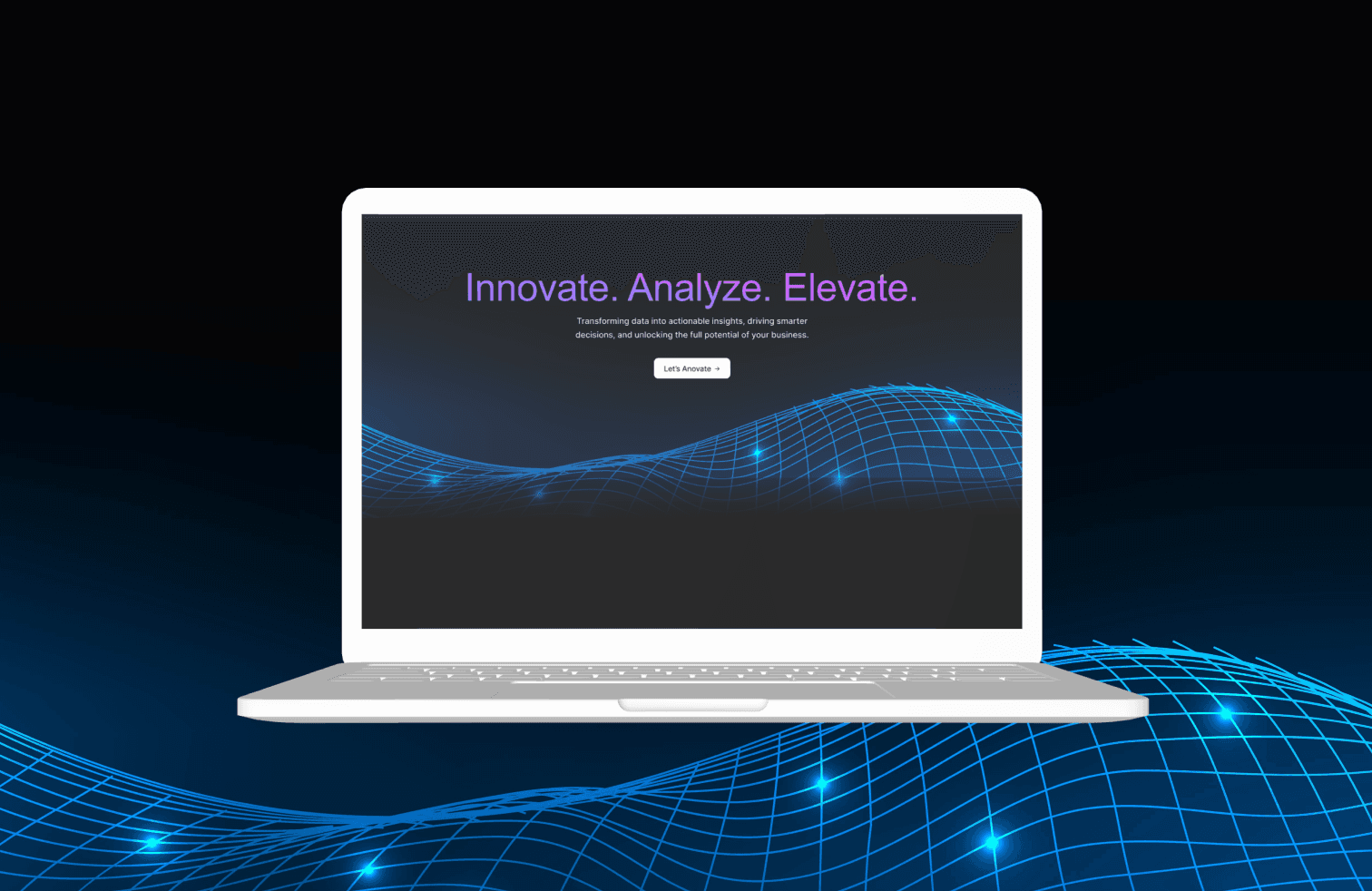
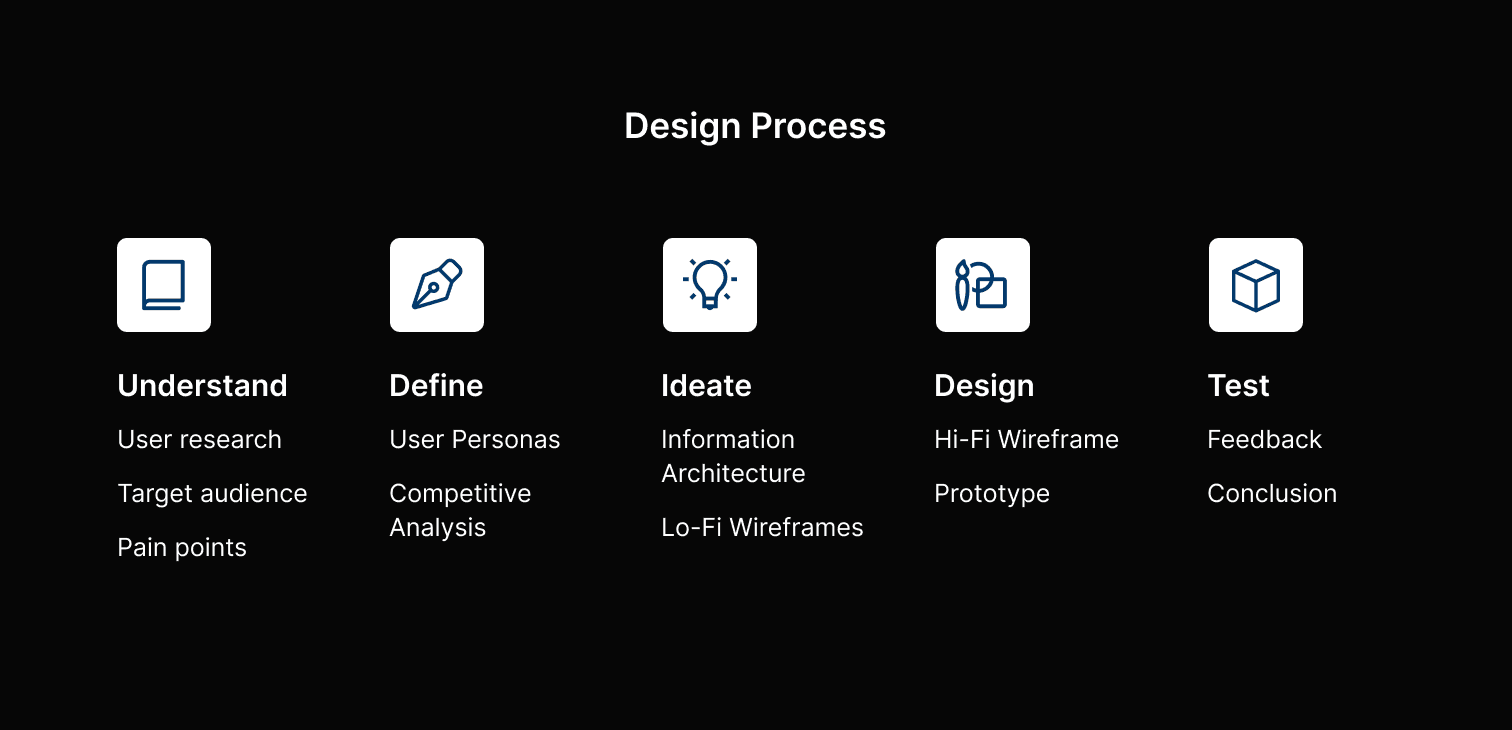
Anovate is a B2B SaaS product in the workflow automation space. Landing page design for a SaaS product is one of the hardest briefs in product design, because the product itself is abstract you cannot photograph software the way you photograph a jar of protein or a soap bar. The design has to do work that product photography does in other categories. The brief was direct: design a page that converts cold traffic into demo bookings and free trial signups, from a technical buyer who has been to seventeen similar-looking SaaS sites today and will give this one about five seconds before forming a judgement. SaaS landing pages are won or lost at the hero section. If the headline does not immediately answer what does this do and why do I need it, the buyer closes the tab. The rest of the page, however well designed, never gets seen. Before designing anything, I mapped the buyer's decision journey and structured the entire page around it. Every section answers exactly one question in the order a sceptical buyer actually asks them: Is this relevant to my problem? Can I trust that it works? What exactly am I getting? How much does it cost? What do I do right now?
Anovate is a B2B SaaS product in the workflow automation space. Landing page design for a SaaS product is one of the hardest briefs in product design, because the product itself is abstract you cannot photograph software the way you photograph a jar of protein or a soap bar. The design has to do work that product photography does in other categories. The brief was direct: design a page that converts cold traffic into demo bookings and free trial signups, from a technical buyer who has been to seventeen similar-looking SaaS sites today and will give this one about five seconds before forming a judgement. SaaS landing pages are won or lost at the hero section. If the headline does not immediately answer what does this do and why do I need it, the buyer closes the tab. The rest of the page, however well designed, never gets seen. Before designing anything, I mapped the buyer's decision journey and structured the entire page around it. Every section answers exactly one question in the order a sceptical buyer actually asks them: Is this relevant to my problem? Can I trust that it works? What exactly am I getting? How much does it cost? What do I do right now?
[3]
What I did
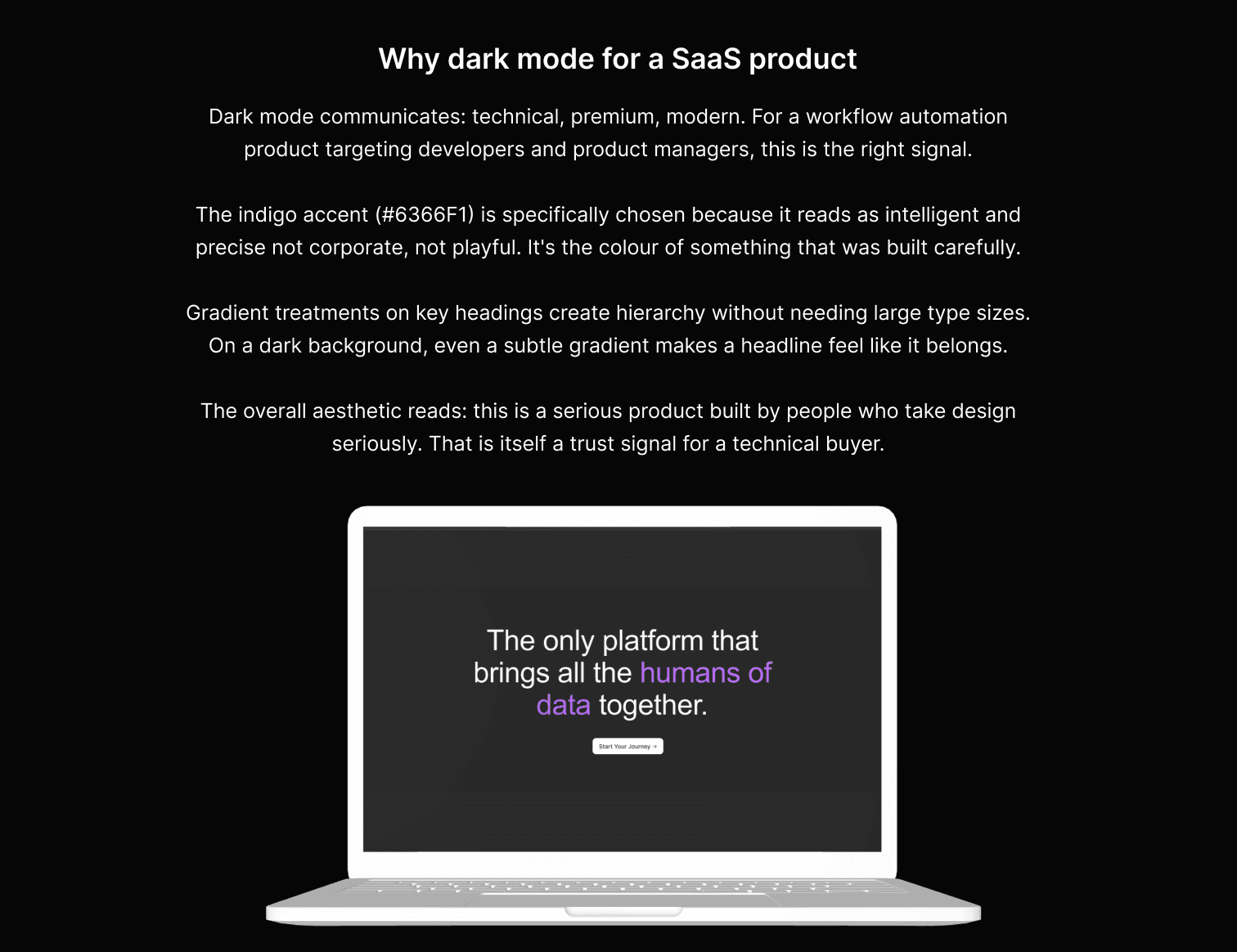
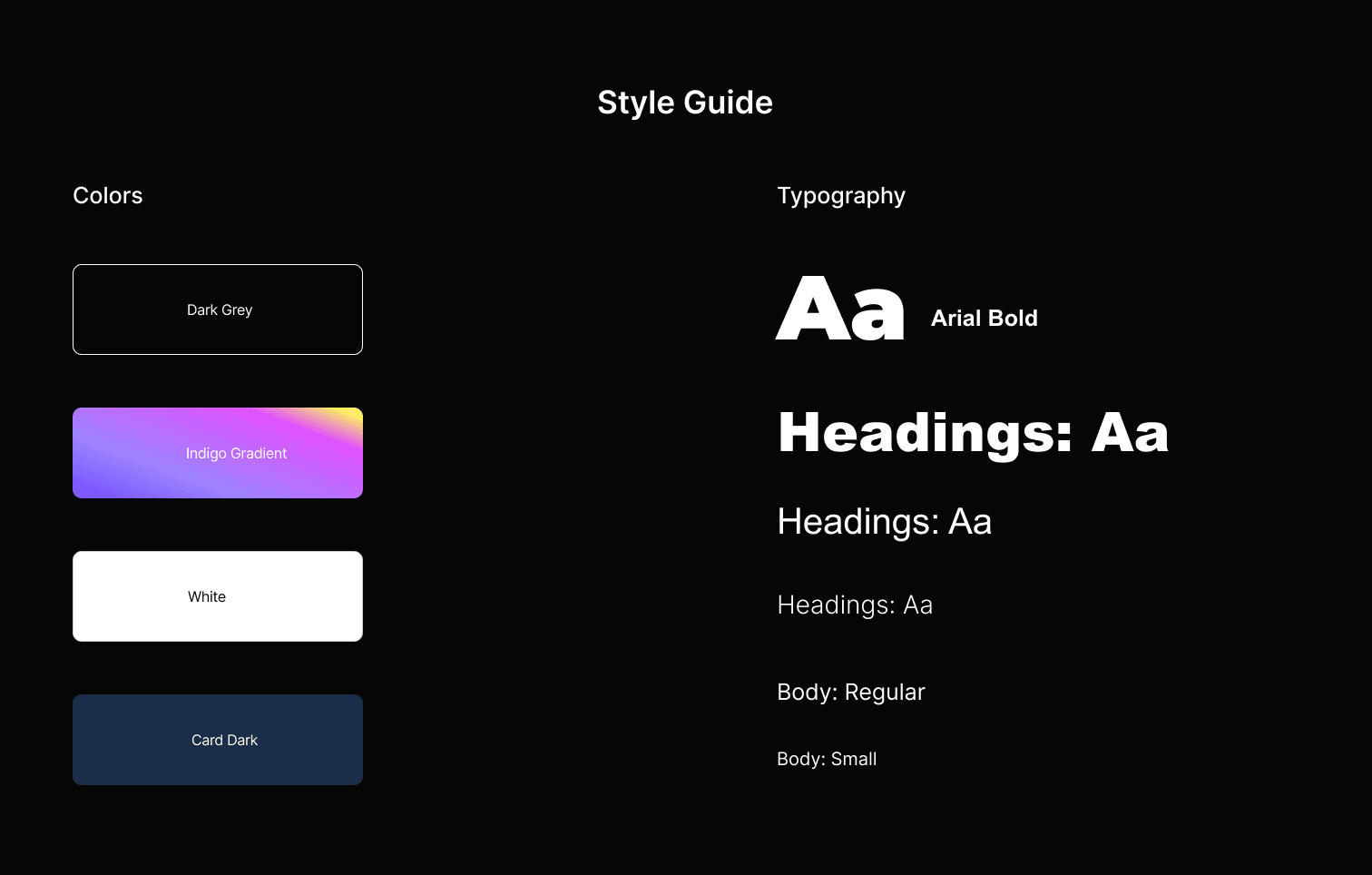
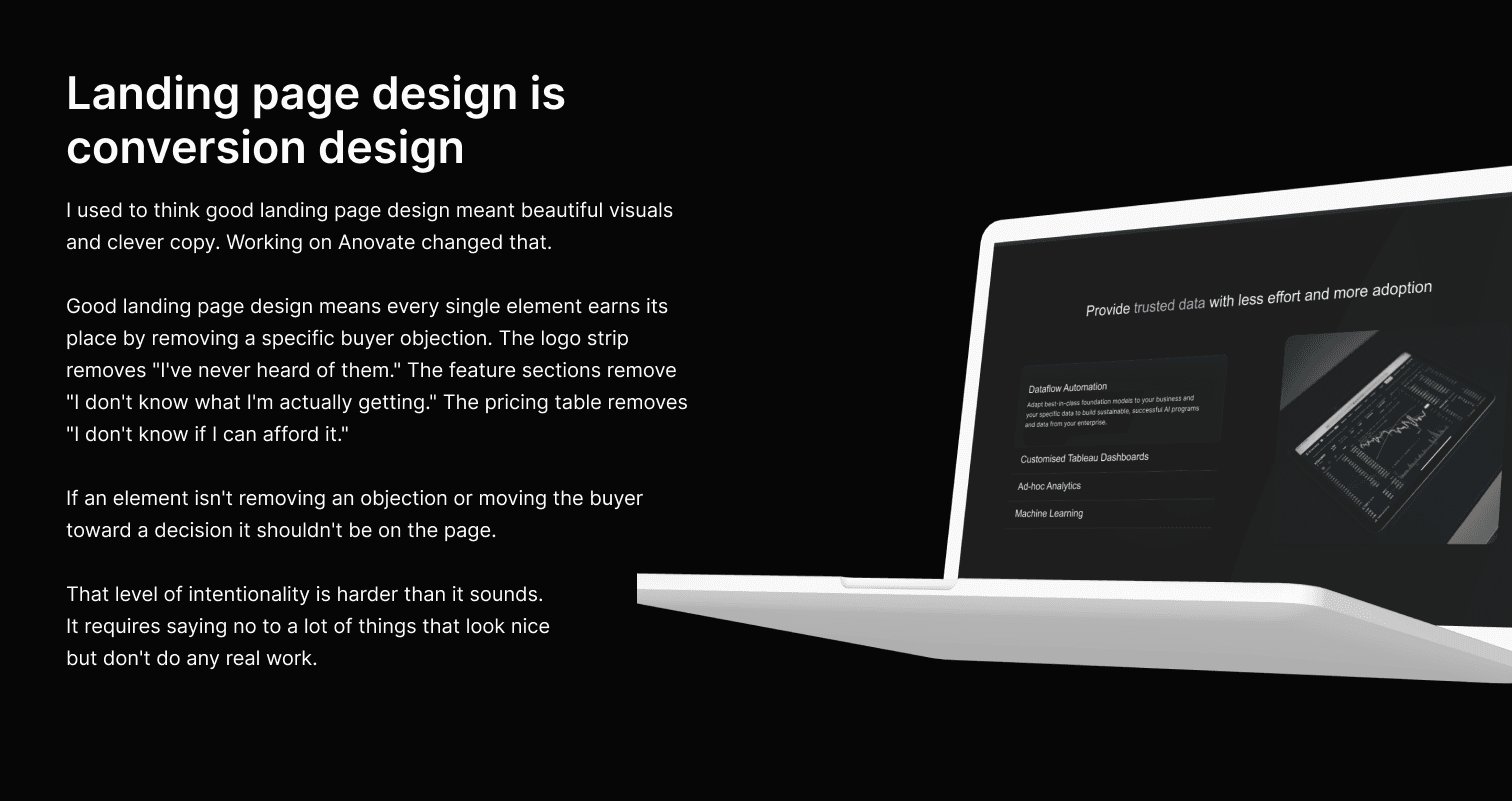
I designed the complete landing page in Figma with one goal: remove every remaining reason a qualified buyer might not take the next step. The hero uses a benefit headline rather than a feature headline what changes for you if you use this, not what the product technically does because those are different sentences and the first one is the only one that works in the five seconds a buyer gives you. A dual CTA at the hero serves two buyer states simultaneously: Start Free for the explorer who wants low commitment, and Book a Demo for the ready buyer who wants to talk to someone. Forcing both types down the same conversion path loses one of them. The client logo strip sits directly below the hero because for a B2B product from a brand the buyer has never heard of, that strip is often the highest-converting element on the entire page. Three alternating feature sections each lead with a benefit headline what it does for you, not what it does followed by a product screenshot and one sentence of supporting copy. The pricing table elevates the mid-tier plan visually with a larger card, an accent border, and a Most Popular label, which consistently anchors buyer perception to the middle option and increases upgrade consideration from the free tier. The dark mode visual system deep slate with indigo accent was chosen because for a technical B2B audience, that aesthetic signals modern, precise, and built with care. It is itself a trust signal before a word is read.
I designed the complete landing page in Figma with one goal: remove every remaining reason a qualified buyer might not take the next step. The hero uses a benefit headline rather than a feature headline what changes for you if you use this, not what the product technically does because those are different sentences and the first one is the only one that works in the five seconds a buyer gives you. A dual CTA at the hero serves two buyer states simultaneously: Start Free for the explorer who wants low commitment, and Book a Demo for the ready buyer who wants to talk to someone. Forcing both types down the same conversion path loses one of them. The client logo strip sits directly below the hero because for a B2B product from a brand the buyer has never heard of, that strip is often the highest-converting element on the entire page. Three alternating feature sections each lead with a benefit headline what it does for you, not what it does followed by a product screenshot and one sentence of supporting copy. The pricing table elevates the mid-tier plan visually with a larger card, an accent border, and a Most Popular label, which consistently anchors buyer perception to the middle option and increases upgrade consideration from the free tier. The dark mode visual system deep slate with indigo accent was chosen because for a technical B2B audience, that aesthetic signals modern, precise, and built with care. It is itself a trust signal before a word is read.
[4]
More projects
Explore other projects
CLIENT
PROJECT TYPE
INDUSTRY
YEAR
Healthcare Exam Platform
UX/UI Case Study
Healthcare · Education
2023
Healthcare Exam Platform
UX/UI Case Study
2023
Healthcare Exam Platform
2023
FreshCart
UX/UI Case Study
eCommerce · Grocery
2023
FreshCart
UX/UI Case Study
2023
FreshCart
2023
PolicySafe
Mobile App Design
Insurance · FinTech
2023
PolicySafe
Mobile App Design
2023
PolicySafe
2023
DeepCore Marine
B2B Website Design
Marine · Offshore Services
2025
DeepCore Marine
B2B Website Design
2025
DeepCore Marine
2025
Explosive Whey
eCommerce Website Design
Sports Nutrition · D2C
2022
Explosive Whey
eCommerce Website Design
2022
Explosive Whey
2022
Pandit Chai
Website Redesign
Food & Beverage
2025
Pandit Chai
Website Redesign
2025
Pandit Chai
2025
Bend Soap Co.
eCommerce Redesign
D2C · Skincare
2024
Bend Soap Co.
eCommerce Redesign
2024
Bend Soap Co.
2024